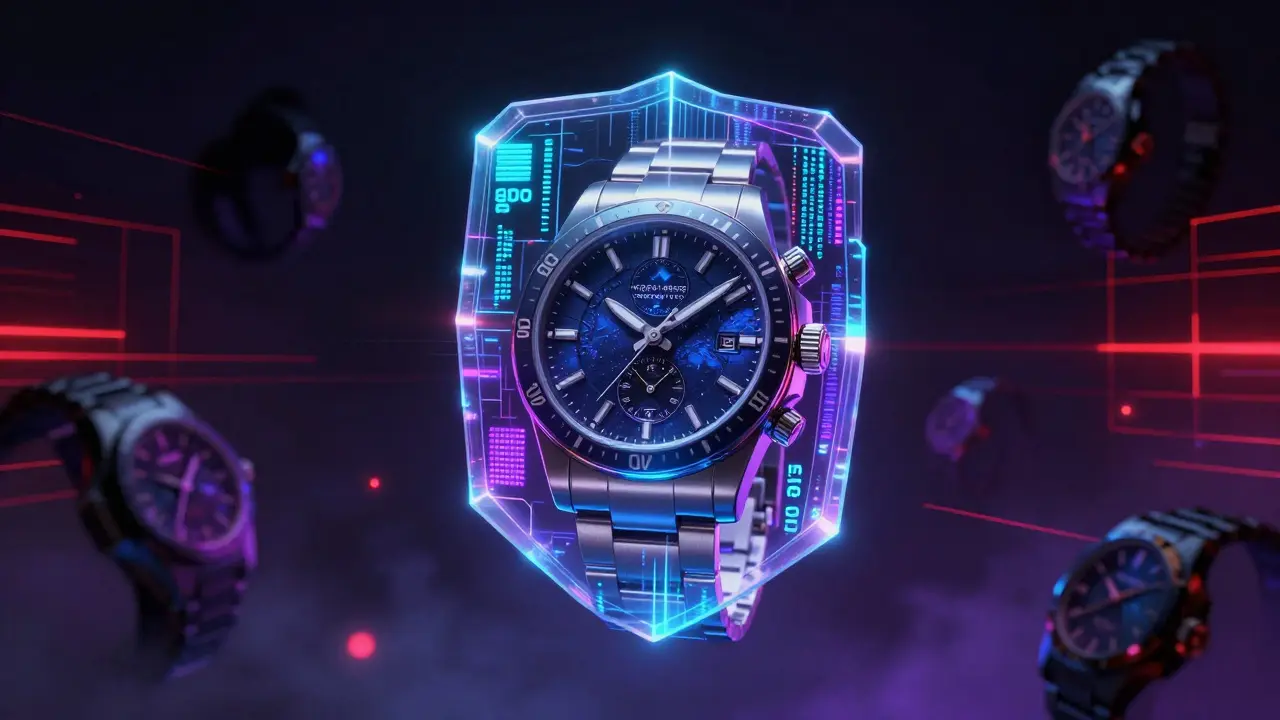
Imagine buying a luxury watch or life-saving medication, only to discover later it’s a fake. It’s not just a financial loss; it’s a safety hazard and a betrayal of trust. For decades, brands have fought this battle with holograms and barcodes, but counterfeitors have gotten smarter. Now, there is a more robust way to fight back: blockchain anti-counterfeiting solutions. This technology doesn’t just add a sticker; it creates an unbreakable digital record that proves exactly where a product came from and who owned it.
In 2026, the line between physical goods and digital data is blurring. Consumers expect proof, not promises. Blockchain provides that proof by turning every genuine item into a unique digital entity on a distributed ledger. If you are a brand owner looking to protect your reputation, or a consumer tired of guessing if something is real, understanding how this works is no longer optional-it’s essential.
How Blockchain Stops Counterfeiting at the Source
At its core, blockchain is a shared, immutable database. Unlike a traditional server where one company controls the data, a blockchain is decentralized. When a manufacturer creates a product, they assign it a unique identifier-often a QR code, RFID tag, or serial number engraved on the item. This ID is linked to a digital token on the blockchain.
Here is why this matters: once that data is written to the blockchain, it cannot be changed or deleted. If a counterfeiter tries to copy the QR code, they can copy the visual image, but they cannot replicate the underlying cryptographic history stored on the ledger. When you scan the code, the system checks the blockchain. If the digital twin doesn’t exist or has already been sold to someone else, you know instantly that the product is fake.
This process creates a complete audit trail. Every step-from raw material sourcing to factory assembly, shipping, retail stocking, and final purchase-is recorded as a timestamped entry. This transparency makes it nearly impossible for bad actors to insert fake goods into the supply chain without being detected.
| Feature | Traditional Methods (Holograms/Barcodes) | Blockchain Solutions |
|---|---|---|
| Data Security | Centralized databases can be hacked or altered | Distributed ledger is tamper-proof and immutable |
| Verification Speed | Often requires manual inspection or phone calls | Instant verification via smartphone scan |
| Traceability | Limited to basic batch information | Full lifecycle history from source to consumer |
| Replication Risk | High; holograms and codes can be copied | Low; cryptographic keys are unique and non-replicable |
| Consumer Trust | Relies on brand reputation alone | Provides independent, verifiable proof of authenticity |
The Role of Physical-Digital Linking
Blockchain is powerful, but it lives in the digital world. To stop physical counterfeiting, you need a secure bridge between the physical product and its digital record. This is often called the "physical-digital link." Without a strong link, a thief could simply peel off a legitimate QR code and stick it on a fake product.
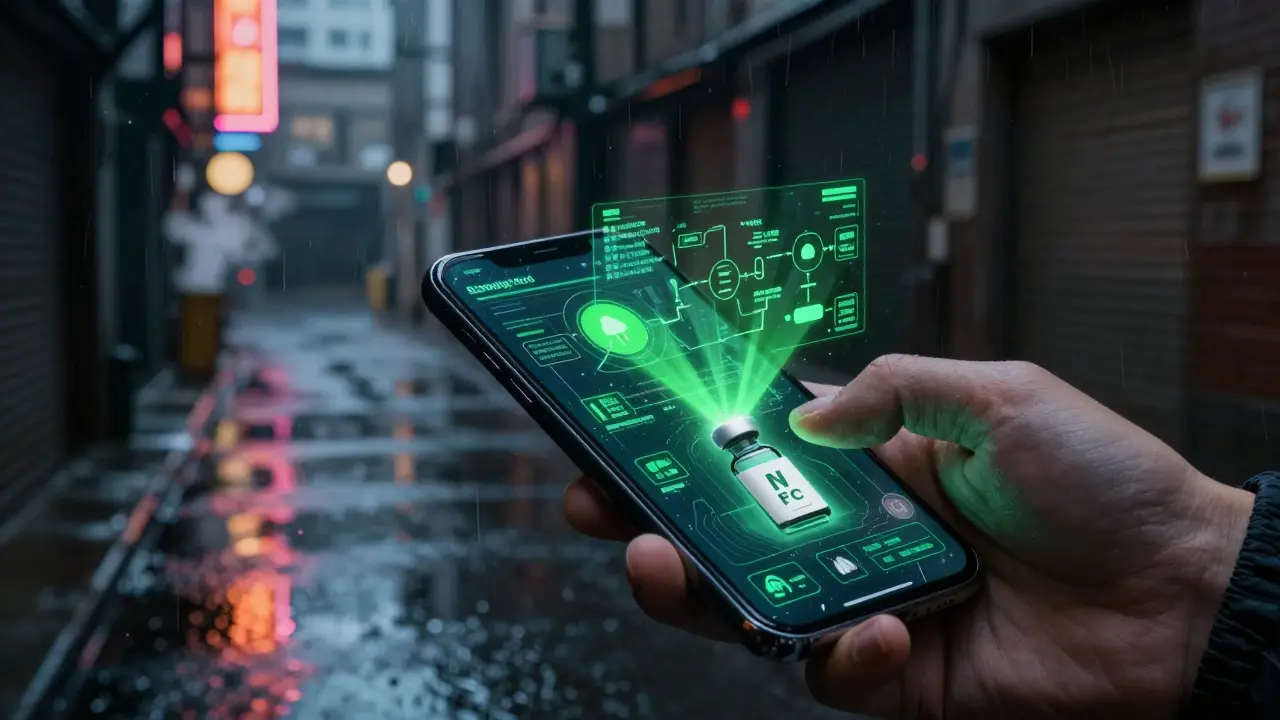
To solve this, companies use advanced tagging technologies. RFID (Radio Frequency Identification) tags are embedded inside products, making them hard to remove without damaging the item. Some systems use NFC (Near Field Communication) chips that require specific hardware to read, adding another layer of security. For high-end goods, manufacturers might use covert features like microscopic patterns or chemical markers that are invisible to the naked eye but detectable by specialized scanners.
Another emerging trend is the use of unique material fingerprints. Technologies like AlpVision’s Fingerprint technology analyze the natural variations in materials during manufacturing. No two pieces of fabric or metal are identical. By capturing these micro-variations and storing them on the blockchain, each item gets a truly unique biological-style ID that cannot be forged, even if the packaging is replicated perfectly.
Industries Leading the Charge
Not all industries face the same counterfeiting risks. However, certain sectors have embraced blockchain because the cost of failure is too high.
- Pharmaceuticals: Fake medicines kill people. The World Health Organization estimates that up to 10% of medicines in low- and middle-income countries are substandard or falsified. Blockchain allows regulators and patients to verify that a pill bottle contains the correct drug, manufactured under safe conditions, and hasn’t been swapped with a dangerous placebo.
- Luxury Goods: Brands like Louis Vuitton and Rolex lose billions annually to fakes. Blockchain provides digital certificates of authenticity that travel with the item. This is crucial for the secondary market, where buyers want assurance that a pre-owned bag or watch is genuine before spending thousands.
- Electronics: Counterfeit computer chips can cause devices to fail, overheat, or even catch fire. By tracking components from the semiconductor fab to the final assembly plant, electronics manufacturers can ensure that every part meets safety standards.
- Fashion and Apparel: Fast fashion brands are increasingly using blockchain to prove ethical sourcing. Consumers can scan a shirt to see where the cotton was grown, who stitched it, and whether fair labor practices were followed.
Implementation Challenges You Can’t Ignore
While the technology is promising, rolling out a blockchain anti-counterfeiting system isn’t plug-and-play. There are significant hurdles to overcome.
Cost and Complexity: Implementing blockchain requires integrating with existing ERP (Enterprise Resource Planning) and SCM (Supply Chain Management) systems. This is expensive and technically complex. Small businesses may struggle with the upfront investment, though costs are dropping as platforms become more user-friendly.
User Adoption: Technology is only useful if people use it. If verifying a product takes more than ten seconds, consumers will skip it. Brands must design seamless experiences-ideally, a simple scan with a smartphone camera that returns an instant green checkmark or red warning. Friction kills adoption.
The First Mile Problem: Blockchain guarantees that data entered is true, but it doesn’t guarantee that the initial data was accurate. If a factory worker accidentally assigns a genuine ID to a defective product, the blockchain will faithfully record that error. Human oversight and quality control at the point of origin remain critical.
Future Trends: AI and IoT Integration
We are moving toward a future where blockchain doesn’t work alone. In 2026 and beyond, expect to see deeper integration with other technologies.
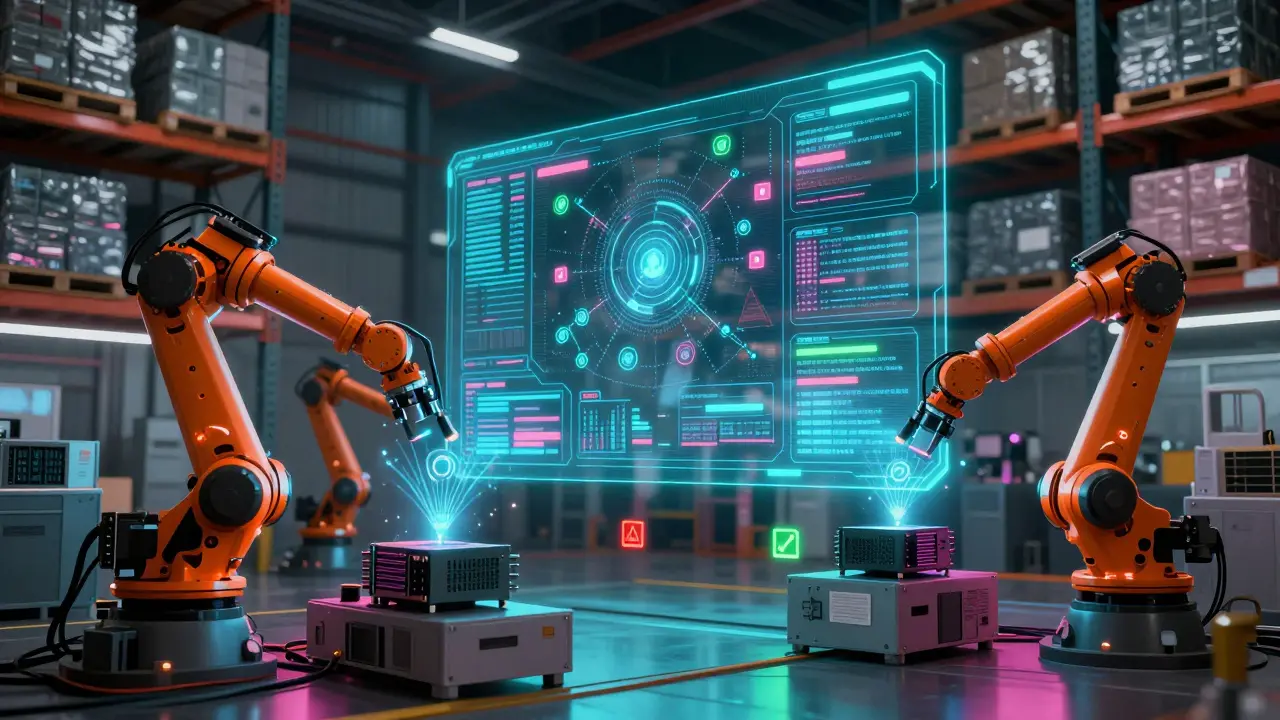
IoT (Internet of Things) sensors are being added to shipments. These sensors track temperature, humidity, and location in real-time. If a shipment of vaccines gets too warm during transit, the IoT sensor records the event, and the blockchain logs it automatically. This ensures that the product wasn’t just authentic when it left the factory, but remained safe throughout its journey.
Artificial Intelligence (AI) is also playing a role. AI algorithms can analyze blockchain data to spot anomalies. For example, if a single product ID is scanned in three different countries within an hour, AI flags this as suspicious activity, potentially indicating a cloned tag or a distribution leak. This proactive approach shifts the focus from reactive verification to predictive security.
What This Means for Consumers
As a buyer, you hold the power. Your willingness to verify products drives demand for transparency. Start scanning codes on high-value items. Check if the brand offers a digital passport or certificate of authenticity. Support companies that invest in supply chain visibility.
Remember, blockchain isn’t magic-it’s a tool. It gives you the ability to see behind the curtain. Use it. The more consumers demand proof, the harder it becomes for counterfeiters to operate. In a world flooded with fakes, truth is the ultimate luxury.
Is blockchain anti-counterfeiting expensive for small businesses?
It used to be, but costs are decreasing. While custom enterprise solutions remain pricey, many platforms now offer subscription-based models or SaaS (Software as a Service) options tailored for smaller brands. The key is starting with high-margin products where the risk of counterfeiting is greatest, then scaling up as ROI becomes clear.
Can hackers break into a blockchain to change product records?
Practically speaking, no. Blockchains use cryptographic hashing and consensus mechanisms that make altering past records computationally impossible without controlling the majority of the network. While individual nodes or wallets can be compromised, the ledger itself remains intact and transparent. Any attempt to alter data would be immediately visible to all participants.
What happens if I lose my digital certificate of authenticity?
Most systems tie the digital certificate to the product’s unique physical ID (like a serial number), not just your wallet. If you lose access to your digital view, you can usually re-scan the product’s QR code or NFC tag to regain access to its history. Ownership transfer is also managed through smart contracts, ensuring the new owner receives the full provenance record.
Does blockchain guarantee that a product is ethically made?
Blockchain guarantees that the data provided is accurate and unaltered, but it doesn’t independently verify the truth of that data at the source. It relies on trusted entities (manufacturers, auditors) to input correct information. However, combined with IoT sensors and third-party audits, it significantly reduces the ability to lie about ethical practices.
Which industries benefit most from blockchain anti-counterfeiting?
Industries with high-value items and severe safety risks benefit most. This includes pharmaceuticals (where fake drugs can be lethal), luxury goods (where brand integrity is paramount), electronics (where component failures can cause fires), and automotive parts (where safety-critical components must be genuine).