You want the speed and smart contract capabilities of Ethereum, but you hold Bitcoin. So, you wrap your BTC into WBTC or another wrapped token. It sounds like a perfect solution for cross-chain interoperability. But there is a catch. When you wrap an asset, you are handing over control of that asset to someone else. This creates custodial risk, the danger that the entity holding your original coins could fail, get hacked, or freeze your funds.
In the world of decentralized finance (DeFi), trust is supposed to be eliminated by code. Wrapped tokens reintroduce a trusted third party. As of late 2023 and moving into 2024, billions of dollars sit in these centralized vaults. Understanding this risk is not just for experts; it is essential for anyone using DeFi protocols.
What Are Wrapped Tokens and Why Do They Exist?
To understand the risk, you first need to understand the mechanism. A wrapped token is a digital asset pegged 1:1 to the value of another cryptocurrency but exists on a different blockchain network. The most famous example is Wrapped Bitcoin (WBTC). Launched in January 2019 by BitGo, Kyber Network, and Ren, WBTC allows Bitcoin to function within Ethereum’s ecosystem.
Why do we need this? Bitcoin has no native smart contract functionality. You cannot use raw BTC to lend, borrow, or provide liquidity on Uniswap or Aave. By wrapping BTC into an ERC-20 token, you unlock access to the entire DeFi market. However, this convenience comes at a cost. The process requires locking your original Bitcoin in a custodian’s wallet and minting a corresponding amount of WBTC on Ethereum.
The Core Problem: Centralized Custody
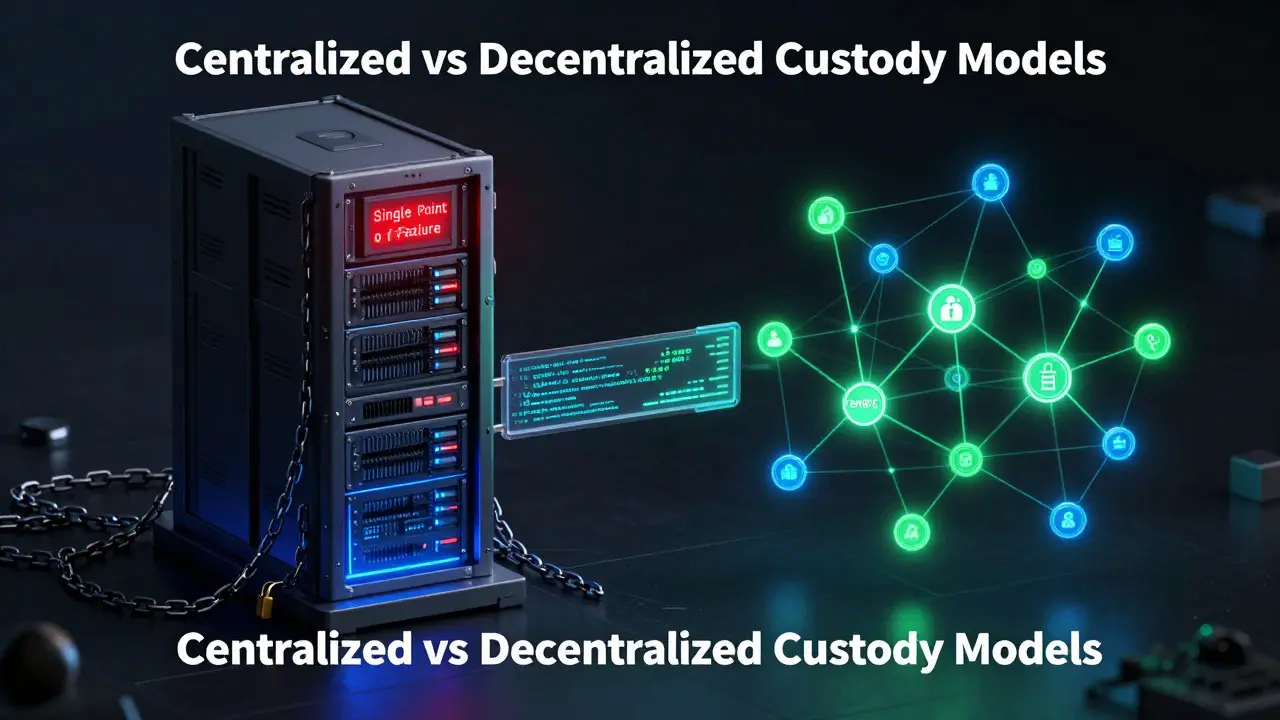
The term "custodial risk" refers to the vulnerability created when a centralized or semi-centralized entity holds custody of underlying assets. In the case of WBTC, BitGo acts as the custodian. They hold the private keys to the Bitcoin backing the wrapped tokens. If BitGo is compromised, goes bankrupt, or decides to act maliciously, your WBTC becomes worthless paper.
This contradicts the core philosophy of blockchain technology. Dr. Anastasia Melnikova, Chief Security Officer at OpenZeppelin, noted that wrapped tokens "reintroduce the trusted third party that blockchain technology was designed to eliminate." You are trading decentralization for utility. According to Transak’s 2023 analysis, 92% of wrapped Bitcoin implementations rely on centralized custodians. Only 8% use decentralized mechanisms. This means the vast majority of users are exposed to single points of failure.
Real-World Examples of Custodial Failure
Theoretical risks become real losses when systems fail. History provides several cautionary tales:
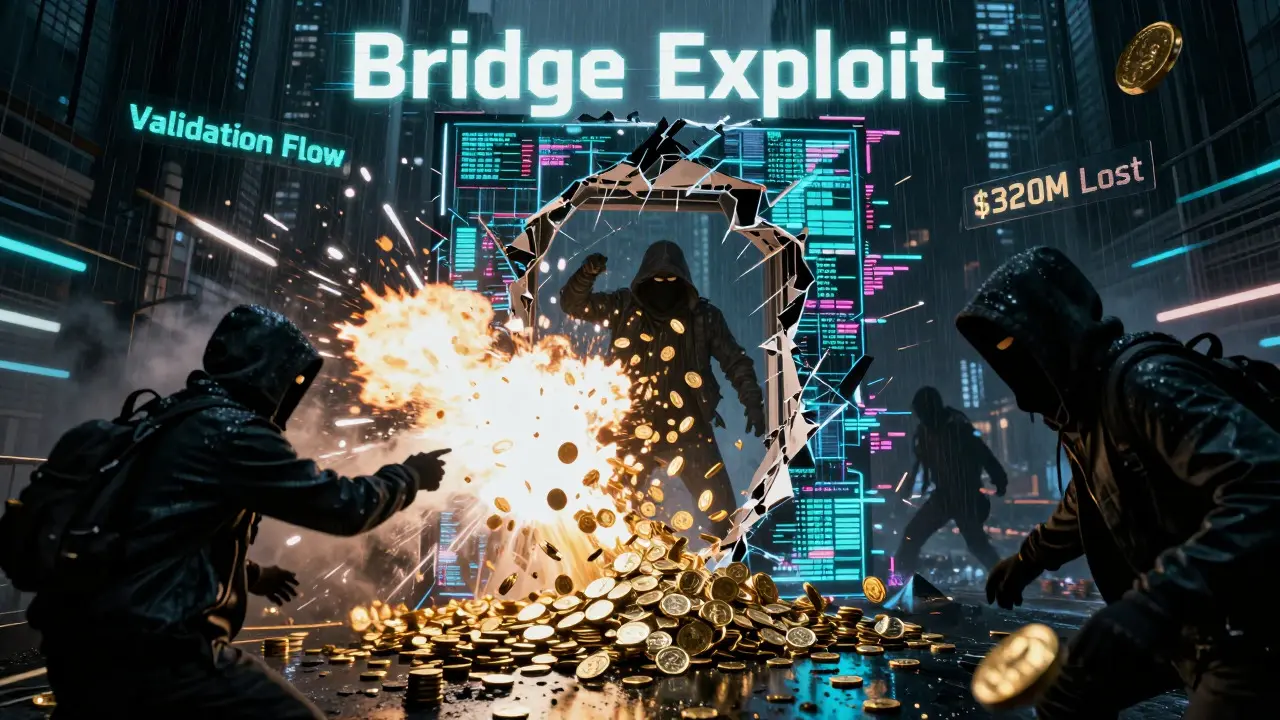
- The Wormhole Exploit (February 2022): Attackers stole approximately $320 million in wrapped ETH by exploiting a validation flaw in the protocol’s custody mechanism. This demonstrated how a bug in the bridge logic can drain the pool of backed assets.
- RenVM Incident (June 2021): While renBTC uses a more decentralized model via secure multi-party computation (sMPC), it still suffered a $0.5 million exploit due to cryptographic vulnerabilities. Even decentralized alternatives are not immune to technical failures.
- Operational Freezes: Users have reported losing access to funds during routine security audits. One Twitter user documented a friend losing access to $15,000 in WBTC after BitGo suspended withdrawals for 72 hours. During volatile markets, being unable to exit a position is a significant financial risk.
Comparing Custody Models: Centralized vs. Decentralized
| Token | Custody Model | Key Advantage | Key Risk | Fee Structure |
|---|---|---|---|---|
| WBTC | Centralized (BitGo) | High liquidity, fast redemption (15-30 mins) | Single point of failure, KYC required | ~0.25% |
| renBTC | Decentralized (RenVM sMPC) | No central custodian, censorship-resistant | Higher fees, slower settlement (2-4 hours) | ~0.5-0.8% |
| sBTC | Hybrid (Stacks Sidechain) | Bitcoin-anchored security | Lower liquidity, complex architecture | Variable |
WBTC dominates the market with over 62% share because it is efficient. Institutional investors prefer it for its regulatory compliance and ease of use. However, efficiency often masks fragility. Decentralized options like renBTC offer better security properties against censorship but come with higher transaction costs and slower processing times. For small transactions under $1,000, the fee difference might make decentralized options less viable, forcing retail users back into centralized models.
How to Mitigate Your Exposure
If you must use wrapped tokens, you can reduce your risk through specific strategies. First, diversify your exposure. Do not keep all your wrapped assets in one token. Splitting holdings across WBTC, tBTC, and sBTC mitigates the risk of a single custodian failing. Second, monitor the health of the custodian. Check for regular audits and transparent proof-of-reserve reports. Third, consider the size of your position. Large amounts increase the target on your back and the impact of any operational freeze.
For smaller transactions, decentralized alternatives may be worth the extra fee. The peace of mind knowing no single entity controls your keys can outweigh the 0.5% additional cost. Always verify the contract addresses before interacting with any wrapped token to avoid phishing scams, which remain a prevalent threat in DeFi.
The Future: Moving Toward Trustless Bridges
The industry is aware of these flaws. New protocols like Chainlink’s Cross-Chain Interoperability Protocol (CCIP) aim to introduce decentralized custody models using Proof-of-Reserve oracles. These technologies verify asset backing without relying on a central vault. Additionally, the Ethereum Foundation is exploring native cross-chain verification mechanisms that could eventually eliminate custodial risk entirely through cryptographic proofs.
Until then, wrapped tokens remain a necessary evil for many DeFi users. They provide liquidity and interoperability but demand vigilance. Remember: if you don’t hold the keys, you don’t own the coin. Wrapped tokens are a promise, not a possession. Treat them accordingly.
Is WBTC safe to use?
WBTC is relatively safe compared to newer, unproven tokens, but it carries significant custodial risk. BitGo, the custodian, is a reputable company, but they are a centralized entity. If BitGo is hacked, regulated out of existence, or freezes withdrawals, your WBTC could lose value or become inaccessible. It is safer than holding cash in a bank in some ways, but riskier than holding self-custodied Bitcoin.
What happens if a wrapped token loses its peg?
If a wrapped token loses its 1:1 peg, it usually means there is a lack of confidence in the custodian or a shortage of underlying assets. Traders will sell the wrapped token, driving its price down below the value of the original asset. Arbitrageurs may buy the discount if they believe the peg will restore, but if the custodian fails, the token could become worthless.
Are there truly non-custodial wrapped tokens?
Yes, tokens like renBTC and sBTC use decentralized custody models. renBTC uses Secure Multi-Party Computation (sMPC) where no single entity holds the full private key. sBTC uses a sidechain secured by miners. While more decentralized, these systems are more complex and have historically faced their own technical vulnerabilities, so they are not risk-free.
Why do I need KYC to unwrap WBTC?
Because WBTC relies on a centralized custodian (BitGo) that must comply with financial regulations. To prevent money laundering and meet legal requirements, BitGo requires identity verification for large deposits and withdrawals. This contrasts with the pseudonymous nature of Bitcoin itself, creating a privacy trade-off for users.
How does custodial risk affect DeFi yields?
When you deposit wrapped tokens into a DeFi protocol to earn yield, you face double risk. You have the smart contract risk of the protocol itself, plus the custodial risk of the wrapped token. If the custodian fails, your collateral vanishes, potentially causing a cascade of liquidations in the lending protocol. This systemic risk is a major concern for regulators and auditors.