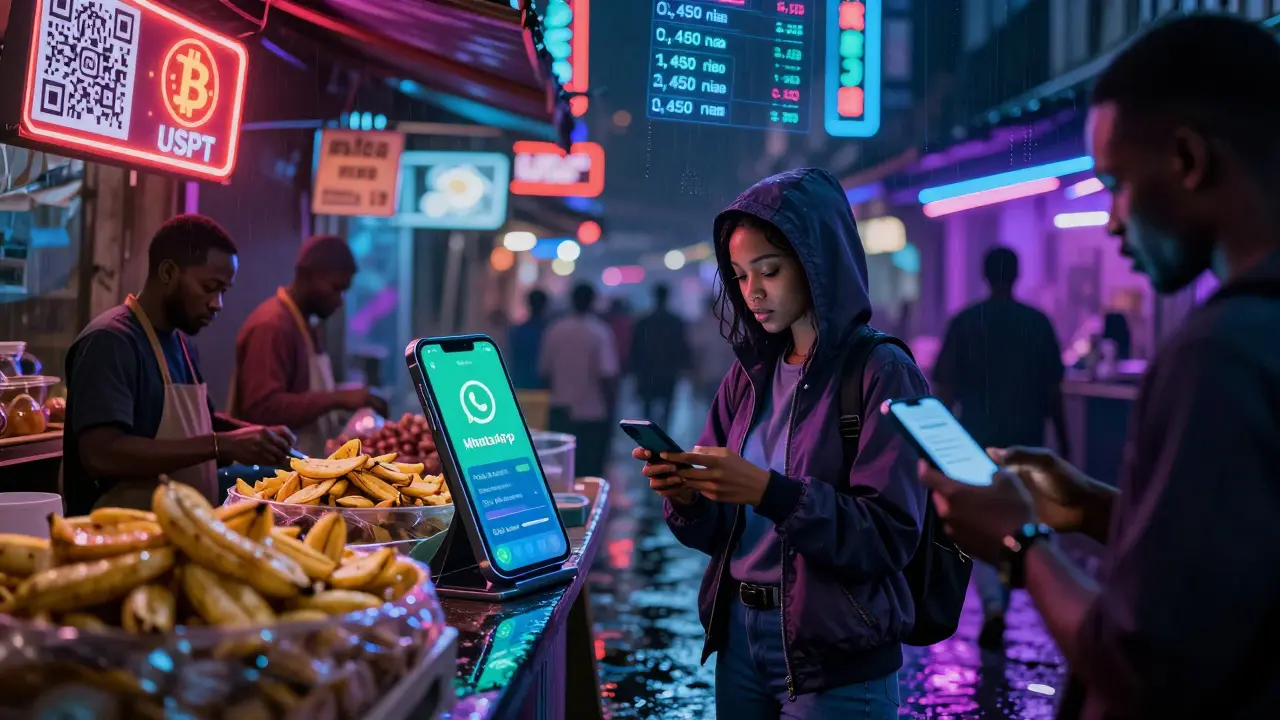
When your country’s money loses 75% of its value in less than a decade, and banks block you from sending money overseas, what do you do? In Nigeria, millions didn’t wait for permission. They turned to cryptocurrency-not because it was trendy, but because it was the only way to survive.
Why People Chose Crypto When Banks Said No
Nigeria’s economy has been crumbling under inflation that hit 24% in 2023. The naira, once worth 150 to the US dollar, now trades at over 1,500. Salaries vanish before payday. Savings evaporate. The central bank tried to stop people from using crypto in 2021, shutting down bank accounts linked to exchanges and banning financial institutions from dealing with them. But the ban didn’t stop adoption-it just pushed it underground. People didn’t need a license to use Bitcoin or USDT. All they needed was a smartphone and a WhatsApp group. A mother in Lagos could send $50 to her sister in London for $1 in crypto fees instead of $4 in traditional remittance fees. A student in Port Harcourt could buy software subscriptions from the US without a foreign bank account. A small business owner could accept payments from clients in Ghana without waiting days for bank clearance. Crypto wasn’t an investment here. It was a tool. A lifeline. A way to bypass a broken system.The Mechanics of Grassroots Adoption
There’s no corporate ad campaign behind this. No flashy YouTube influencer pushing “crypto riches.” Instead, adoption spreads through word of mouth, local markets, and community hubs. In Abuja, street vendors display QR codes for Bitcoin payments beside their plantain chips. In Kano, motorcycle taxi drivers use USDT to pay for fuel and repairs, avoiding cash that gets stolen or lost. Peer-to-peer (P2P) platforms like Paxful and LocalBitcoins became the unofficial banks. Users trade naira for USDT directly with others, often meeting in person at cafes or bus stops. The price of USDT in Nigeria hovers around 1,450 naira-slightly below the official exchange rate, but far more reliable than what banks offer. Even the unbanked joined in. An estimated 36% of Nigerian adults have no bank account. But 72% own a mobile phone. Crypto didn’t require a birth certificate or proof of income. It required a phone number and a willingness to learn. YouTube tutorials in Pidgin English, Telegram groups with step-by-step guides, and Facebook pages run by local teens became the new financial literacy programs.It’s Not Just Nigeria
Nigeria isn’t alone. In Argentina, where inflation hit 270% in 2023, people use crypto to protect their savings. In Vietnam, young workers send remittances home using Binance P2P because traditional channels are slow and expensive. In Turkey, citizens swapped lira for Bitcoin after the currency lost 40% of its value in 2024. What these countries share isn’t tech-savviness-it’s desperation. When your currency is collapsing, and your bank won’t let you move money, crypto becomes the only option that works. Governments can ban exchanges, but they can’t ban the internet. They can shut down apps, but they can’t stop someone from downloading a wallet and connecting to a decentralized network.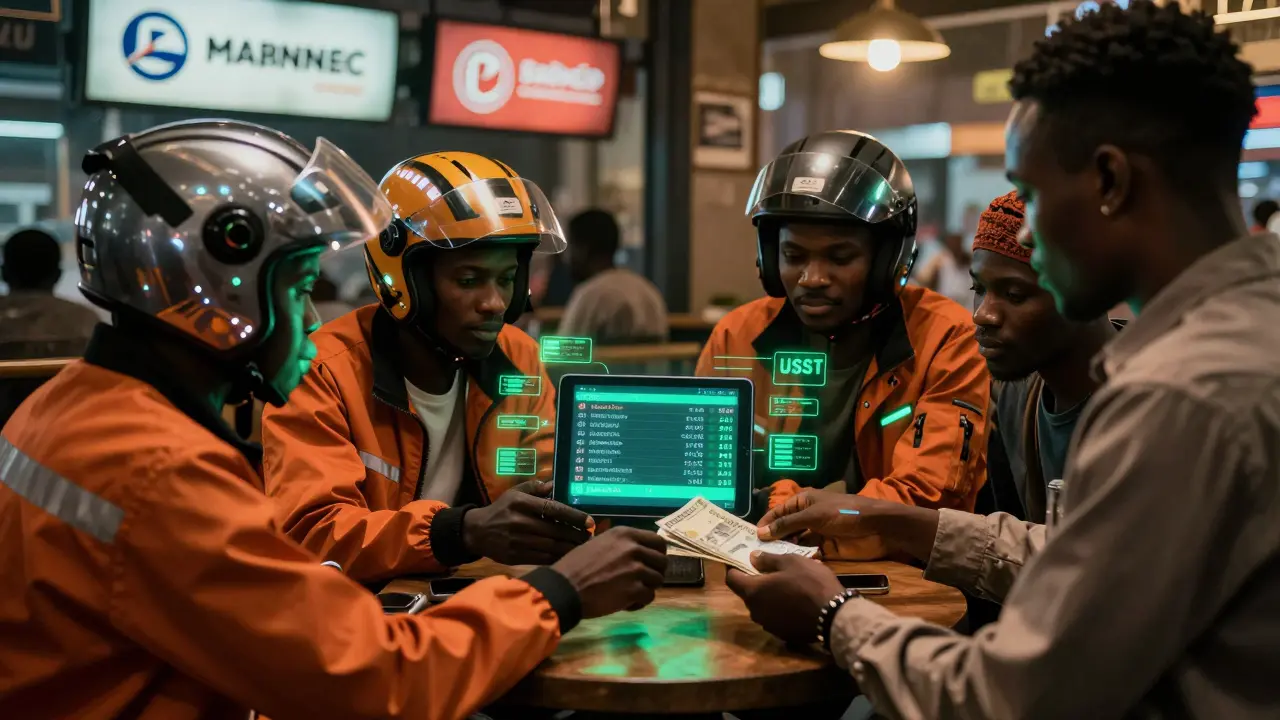
How Governments Reacted-And Why They Couldn’t Win
The Nigerian government thought banning banks from handling crypto would kill it. Instead, it created a black market that grew faster than the official economy. By 2024, Nigeria ranked second in the world for crypto adoption, behind only the United States-not because of Wall Street, but because of street vendors, students, and farmers. In 2025, the Central Bank of Nigeria quietly reversed course. They didn’t lift the ban outright-they started talking to crypto firms. They began exploring a digital naira that could integrate with crypto wallets. They realized: you can’t stop what people are already doing. You can only try to control it. This pattern repeats globally. In India, the government taxed crypto heavily but never banned it. In Brazil, regulators created a sandbox for crypto startups instead of shutting them down. Even in China, where crypto trading is officially illegal, P2P trading continues through encrypted apps and underground networks. The lesson? Grassroots crypto adoption doesn’t die under bans. It adapts.The Shift in the US: From Regulation to Acceptance
While developing nations adopted crypto out of necessity, the US was debating whether it was a security or a currency. That changed in 2025. The GENIUS Act passed with bipartisan support-68 to 30 in the Senate, 308 to 122 in the House. It created clear rules for stablecoins: if you issue a dollar-backed crypto, you must hold real dollars in reserve. No more Terra-style collapses. Then came the presidential order: “It is the policy of my Administration to support the responsible growth and use of digital assets.” The IRS dropped reporting requirements for small crypto transactions under $200. Banks started offering crypto custody services. The SEC paused lawsuits against major exchanges. This wasn’t a sudden change of heart. It was a reaction to pressure. Millions of Americans were already using crypto. They were sending money to family abroad. They were buying NFTs from artists. They were holding Bitcoin as inflation hedge. The government couldn’t ignore it. So it regulated it.
What This Means for the Future
The future of crypto isn’t in Silicon Valley. It’s in Lagos, Buenos Aires, Hanoi, and Istanbul. It’s in places where people have nothing to lose and everything to gain. Governments will keep trying to control it. But when the system fails, people find a way. Crypto adoption in these regions isn’t about speculation. It’s about survival. It’s about dignity. It’s about being able to feed your family, pay your rent, or send money home without begging a bank for permission. As more countries face inflation, currency controls, and banking exclusion, this pattern will spread. The question isn’t whether governments will ban crypto. The question is: how long will they pretend they can stop it?What’s Next for People in Restrictive Environments
If you’re in a country where crypto is banned or restricted, here’s what you can do:- Use P2P platforms like Paxful, Binance P2P, or LocalCryptos to trade directly with others.
- Store crypto in non-custodial wallets (like Trust Wallet or Phantom) so only you control the keys.
- Learn how to use USDT or USDC-stablecoins pegged to the dollar-so your money doesn’t vanish overnight.
- Join local crypto education groups on Telegram or WhatsApp. Most are run by volunteers who just want to help.
- Don’t trust anyone promising “guaranteed returns.” In these markets, the biggest risk isn’t the government-it’s the scammer.
Why This Matters Beyond Money
This isn’t just about finance. It’s about power. For decades, banks and governments held all the control. You needed their permission to open an account, send money, or even save your earnings. Crypto broke that chain. It gave power back to the individual. In Nigeria, a teenager can now earn income from a US-based client without a corporate bank account. A farmer can get paid in crypto for his crops and convert it to cash at a local agent. A widow in Cairo can send money to her grandchildren in Jordan without waiting weeks or paying 10% in fees. These aren’t futuristic dreams. They’re happening right now-in living rooms, market stalls, and roadside cafes. And no government ban can undo that.Is it legal to use crypto in countries that ban it?
It depends. In most cases, using crypto personally isn’t illegal-it’s just that banks and exchanges are banned from facilitating it. You can still buy crypto via P2P platforms, store it in your own wallet, and send it to others. But if you run a business or exchange, you risk fines or shutdowns. Most users operate in a gray zone-using crypto for personal needs without promoting it publicly.
Can governments shut down crypto completely?
No. Crypto runs on decentralized networks spread across thousands of computers worldwide. Even if a country blocks access to exchanges or apps, users can still connect via VPNs, Tor, or peer-to-peer networks. The blockchain itself can’t be shut down. What governments can do is make it harder to convert crypto to local currency-but even that doesn’t stop people from using it as a store of value or transferring it across borders.
Why do people in Nigeria prefer USDT over Bitcoin?
Bitcoin is volatile. Its price can swing 20% in a day. USDT (Tether) is a stablecoin pegged to the US dollar, so its value stays close to $1. For people using crypto to protect savings or send remittances, stability matters more than speculation. USDT acts like digital cash that doesn’t lose value overnight.
How do people avoid getting caught using crypto in banned countries?
Most don’t try to hide. They just avoid using banks or regulated platforms. They use P2P trades in person or through encrypted apps like Signal. They keep small amounts in wallets and convert only when needed. Since the system is decentralized, there’s no central record to track. Authorities can’t easily trace every transaction unless they’re targeting someone specific.
What’s the biggest danger for new crypto users in restricted countries?
Scams. Because the market is unregulated and people are desperate, fraudsters target them with fake wallets, fake P2P traders, and phishing links. The biggest risk isn’t the government-it’s the person pretending to be a trusted trader. Always verify wallets, use escrow on P2P platforms, and never share your private keys.
Ryan Depew
January 19, 2026 AT 14:33Kevin Pivko
January 20, 2026 AT 09:04Mathew Finch
January 21, 2026 AT 11:47Jessica Boling
January 21, 2026 AT 14:44Andy Simms
January 22, 2026 AT 19:24Shamari Harrison
January 24, 2026 AT 08:48Roshmi Chatterjee
January 26, 2026 AT 03:01Deepu Verma
January 27, 2026 AT 21:54MICHELLE REICHARD
January 29, 2026 AT 16:40tim ang
January 31, 2026 AT 08:37Jen Allanson
February 1, 2026 AT 00:23Mark Estareja
February 2, 2026 AT 07:29steven sun
February 4, 2026 AT 06:26Sara Delgado Rivero
February 5, 2026 AT 00:56Athena Mantle
February 5, 2026 AT 20:42Chidimma Catherine
February 7, 2026 AT 09:53Nathan Drake
February 7, 2026 AT 14:46Melissa Contreras López
February 8, 2026 AT 08:06Mike Stay
February 10, 2026 AT 07:24Taylor Mills
February 12, 2026 AT 00:45