
Imagine you’ve just staked your crypto assets to secure a blockchain network. You’re earning rewards, contributing to decentralization, and feeling pretty good about it. Then, overnight, a chunk of your stake vanishes. No hack, no exchange collapse-just a silent penalty from the protocol itself. This is slashing, the ultimate deterrent in Proof-of-Stake (PoS) systems.
Slashing isn’t a bug; it’s a feature designed to keep validators honest. But for anyone running a node or delegating funds, understanding how slashing works-and more importantly, how to avoid it-is critical. One misstep, like accidentally running two copies of your validator key, can cost you thousands of dollars in seconds. Let’s break down exactly what triggers these penalties and the concrete steps you can take to protect your stake.
What Is Slashing and Why Does It Exist?
In a Proof-of-Stake network, validators replace miners. Instead of burning electricity to solve puzzles, they lock up tokens as collateral to validate transactions. If they act maliciously or negligently, the protocol confiscates part of that collateral. This economic penalty is called slashing.
The logic is simple: if being dishonest costs you more than it earns you, you’ll stay honest. Slashing aligns individual incentives with network security. Without it, a validator could sign conflicting blocks to create chaos or double-spend coins without consequence. With it, the cost of corruption becomes prohibitively high.
Who pays the slashed tokens?
The slashed tokens are burned or redistributed to other honest validators and whistleblowers who reported the violation. The original validator loses their stake permanently.
The Two Main Triggers: Double Signing vs. Downtime
Not all penalties are created equal. Slashing conditions generally fall into two categories, with vastly different severity levels. Understanding this distinction helps you prioritize your security measures.
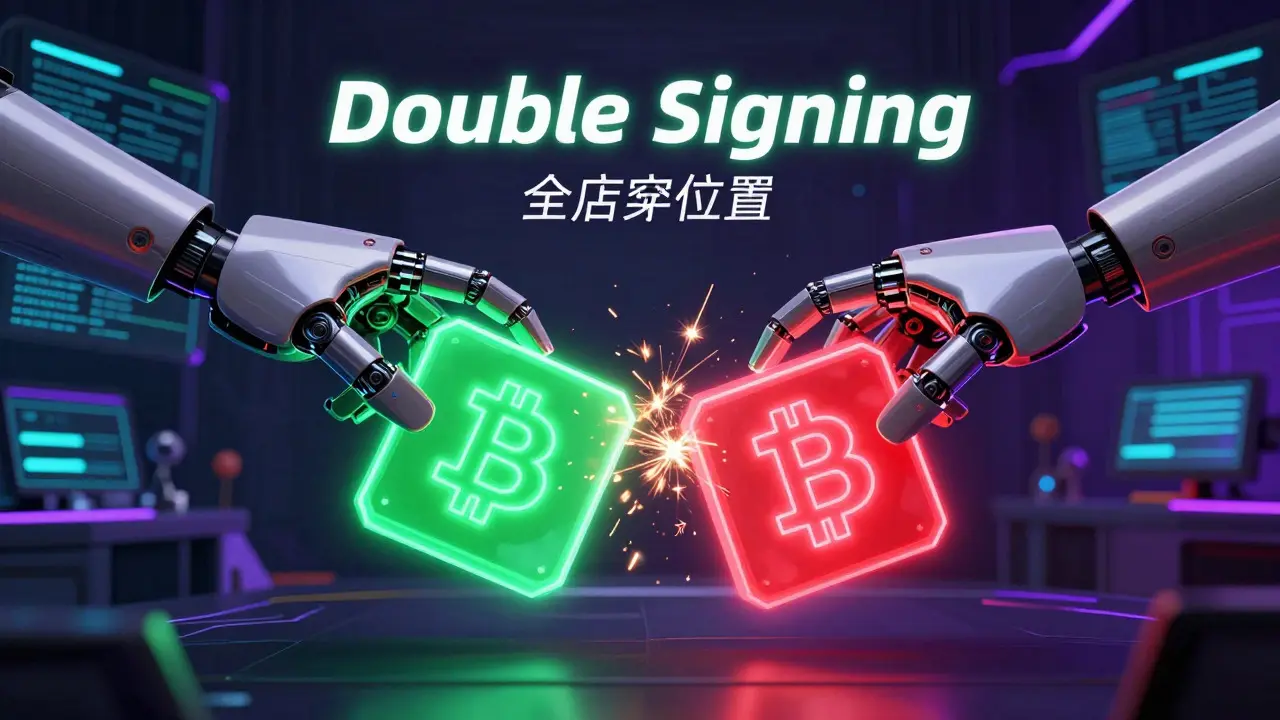
- Double Signing (Attestation Violations): This happens when a validator signs two different blocks for the same time slot. It’s essentially lying to the network about which block is valid. Because this threatens consensus integrity, the penalty is severe. On networks like Ethereum, this can result in losing up to 5% of your total stake per incident. In extreme cases, repeated offenses lead to complete ejection from the validator set.
- Validator Downtime: This occurs when a validator fails to participate in consensus because their node is offline. While annoying, this is considered negligence rather than malice. Penalties here are much lighter, typically around 0.1% of the stake. However, chronic downtime can still lead to eventual removal from the active validator pool.
Double signing is the big fear. It’s often accidental, caused by human error or poor infrastructure setup, making it the primary focus of any protection strategy.
The Golden Rule: Never Duplicate Your Validator Key
If you remember only one thing from this guide, let it be this: never deploy the same validator key to multiple locations or clients simultaneously.
This is the most common cause of unintentional slashing. Here’s how it usually happens: You run a main validator client. Worried about downtime, you spin up a backup client on a different server. You load the same private key onto both. Suddenly, both clients see a new block proposal. Both try to sign an attestation. The network sees two signatures from the same validator for the same slot. Boom. Slashed.
To prevent this, industry leaders like Consensys Staking emphasize generating unique seed phrases for every validator key. Their systems use robust checks to detect duplicate keys before they even hit the network. If you’re managing validators manually, implement strict access controls. Ensure that only one instance of your validator software holds the private key at any given time.
Technological Shields: Remote Signers and HSMs
Relying on human discipline isn’t enough. You need technical safeguards. Modern staking infrastructure uses specialized tools to enforce anti-slashing rules automatically.
Web3 Signer and Remote Signing
Traditional setups store validator keys directly on the execution client machine. This creates risk. A better approach is using a remote signer, such as Web3 Signer is an open-source remote signing service that separates key management from validation duties.. Web3 Signer maintains a local database of every signature your validator has ever produced. Before signing a new message, it checks against this history. If the new signature would conflict with a previous one (a potential double sign), the signer refuses to produce it. This acts as a hard brake on accidental slashing.
CubeSigner and Hardware Security Modules (HSMs)
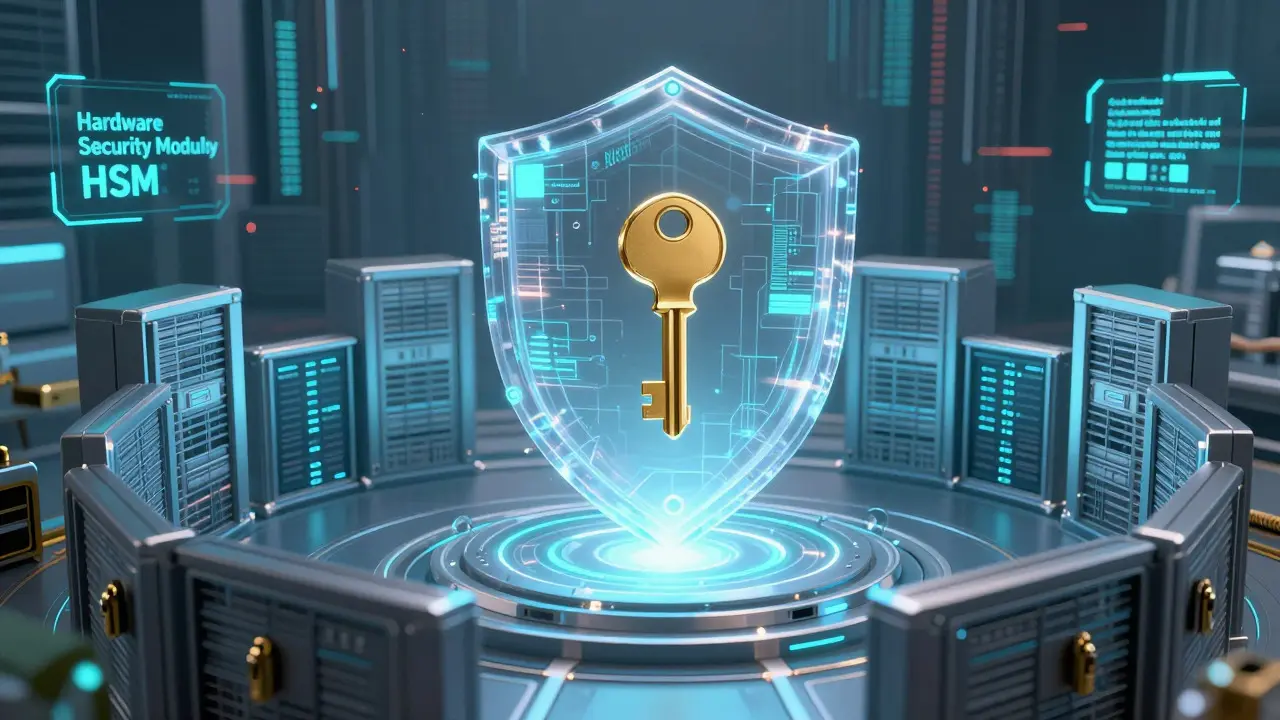
For institutional-grade security, platforms like CubeSigner take it further. They don’t just check signatures; they isolate keys entirely. CubeSigner stores validator keys in HSM-sealed Nitro enclaves within AWS infrastructure, ensuring keys never leave secure hardware. These enclaves are designed so that not even the cloud provider or the platform operator can extract the keys. This eliminates the possibility of key duplication because the key physically cannot be copied out of the enclave. Additionally, CubeSigner applies anti-slashing policies automatically, recording historical signature data and rejecting any slashable messages before they reach the network.
| Strategy | Security Level | Complexity | Best For |
|---|---|---|---|
| Manual Key Management | Low | High (Human Error Risk) | Learning purposes only |
| Remote Signer (e.g., Web3 Signer) | Medium-High | Medium | Individual validators & small teams |
| HSM-based Solutions (e.g., CubeSigner) | Very High | Low (Automated) | Institutions & large stakes |
Avoiding the Backup Trap
Many validators fall into the "backup trap." They think, "If my main node goes down, I lose rewards. So I’ll run a hot standby." This is dangerous. As mentioned earlier, running two active clients with the same key invites double signing.
The smarter approach? Accept planned downtime. If your main node needs maintenance, shut it down properly. Use a secondary client only for *execution* layer tasks (like syncing blocks), but keep the *consensus* layer keys isolated. Or, use a professional staking provider that handles redundancy at the infrastructure level without exposing your keys to multiple signing environments. Remember, losing a few hours of rewards is cheaper than losing 5% of your entire stake.
Economic Deterrence and Network Health
Slashing isn’t just about punishing bad actors; it’s about raising the "cost of corruption." Researchers in cryptoeconomics have shown that well-designed slashing mechanisms make bribing attacks economically unviable. If an attacker wants to corrupt the network, they’d need to pay off validators more than the value of the slashed tokens plus future rewards. By increasing these penalties, protocols like Ethereum ensure that honesty remains the most profitable path.
Furthermore, slashing encourages a culture of accountability. Whistleblowers-other validators who detect and report violations-are rewarded with a portion of the slashed funds. This turns the entire network into a monitoring system, where participants actively police each other to maintain integrity.
Practical Checklist for Validators
Ready to secure your stake? Follow this actionable checklist:
- Isolate Keys: Store validator keys separately from execution client keys. Use a dedicated device or secure enclave.
- Use Remote Signers: Implement Web3 Signer or similar tools to add a layer of signature verification.
- Monitor Uptime: Set up alerts for node disconnections. Address downtime quickly to avoid cumulative penalties.
- Avoid Redundancy Risks: Do not run multiple consensus clients with the same key unless using a proven anti-slashing bridge.
- Stay Updated: Keep your client software patched. New versions often include improved slashing protection features.
- Review Access Permissions: Limit who can access your validator environment. Use ISO 27001 or SOC 2 compliant providers if outsourcing.
Future of Slashing Protection
As the PoS ecosystem matures, we’re seeing standardization efforts like the Secure Staking Alliance’s work on EIP-3076. These specifications aim to create universal anti-slashing protocols across different Active Validation Services (AVSes). This means better interoperability and easier integration of protection tools for smaller validators. The goal is clear: make enterprise-grade security accessible to everyone, reducing the barrier to entry while maintaining network robustness.
Slashing is a harsh reality of decentralized finance, but it’s manageable. By respecting the mechanics of Proof-of-Stake and leveraging modern security tools, you can protect your assets and contribute to a healthier blockchain network.
Can you recover slashed tokens?
No. Once tokens are slashed, they are permanently removed from your balance. They are either burned or distributed to other validators. Prevention is the only option.
Does delegation expose me to slashing?
Yes. If you delegate your ETH to a validator, and that validator gets slashed, your delegated stake is also penalized. Choose reputable, well-audited staking providers to mitigate this risk.
What is the difference between liveness and safety faults?
Safety faults (like double signing) involve contradicting the state of the chain and carry heavy penalties. Liveness faults (downtime) involve failing to participate and carry lighter penalties. Safety is worse.
Is Web3 Signer free to use?
Yes, Web3 Signer is open-source and free. However, you must host and maintain the infrastructure yourself, which requires technical expertise.
How do I know if my validator was slashed?
You can check your validator’s status on block explorers like Etherscan or Beaconcha.in. Look for a sudden drop in effective balance or a "slashed" status tag next to your validator index.