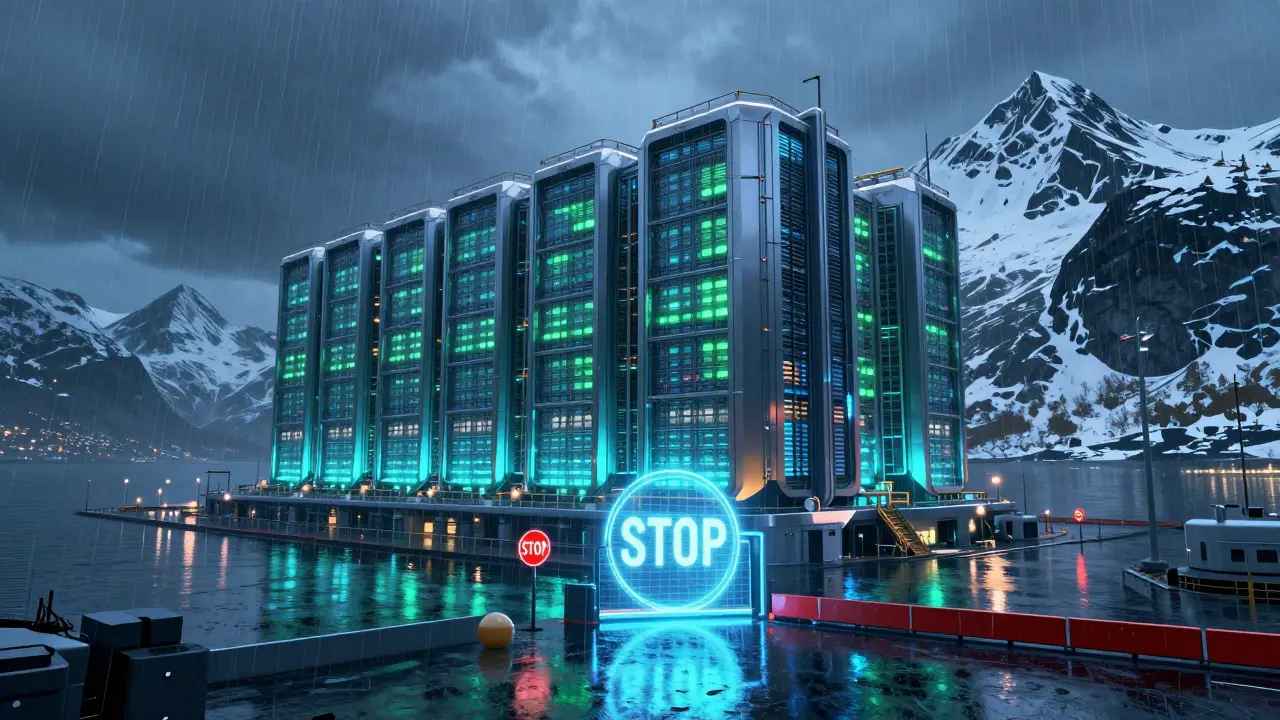
Imagine having access to some of the cleanest, cheapest electricity in the world. Now imagine being told you can't use it to mine Bitcoin. That is exactly the situation facing cryptocurrency miners in Norway, a country known for its abundant hydroelectric power and progressive environmental policies. In June 2025, the Norwegian government announced plans for a temporary ban on new cryptocurrency mining data centers. This move has sent shockwaves through the global crypto industry, raising questions about energy allocation, economic priorities, and the future of mining operations worldwide.
The announcement came from Minister for Digitalization and Public Administration Karianne Tung, who made it clear that the Labour Party government intends to limit cryptocurrency mining as much as possible. The proposed legislation aims to conserve electricity for other industries and redirect energy consumption toward sectors that better serve national interests and sustain local economies. But why would a country with so much renewable energy choose to restrict its use? And what does this mean for miners, investors, and the broader cryptocurrency ecosystem?
Why Norway Is Targeting Crypto Mining
To understand Norway's decision, we need to look at the bigger picture. The country generates over 98% of its electricity from hydropower, making it one of the greenest energy producers in the world. For years, this abundance attracted cryptocurrency miners seeking affordable, clean energy sources. However, the government concluded that while crypto mining uses vast amounts of power, it provides minimal economic benefit to local communities.
| Industry | Energy Intensity | Local Jobs Created | Economic Benefit |
|---|---|---|---|
| Cryptocurrency Mining | Very High | Low | Limited (mostly foreign-owned) |
| Traditional Manufacturing | Moderate to High | High | Significant (local supply chains) |
| Data Centers (General) | High | Moderate | Moderate (tech sector growth) |
Minister Tung emphasized that cryptocurrency mining is "very power-intensive and generates little in the way of jobs and income for the local community." This assessment aligns with concerns raised by economists and policymakers who argue that Norway's valuable energy resources should support industries with greater societal impact. The timing of this announcement also coincided with broader European energy challenges stemming from Russia's war with Ukraine, which led to rising electricity costs for Norwegian residents.
The government's position reflects a shift in priorities. Instead of viewing abundant renewable energy as a resource to be freely allocated, they see it as a strategic asset that must serve national interests first. This perspective contrasts sharply with how many countries have treated their energy resources in recent years, particularly those eager to attract crypto mining operations.
How the Proposed Ban Works
The proposed legislation specifically targets new cryptocurrency mining facilities rather than existing operations. This distinction is crucial because it allows current miners to continue operating while preventing further expansion. The government indicated it possesses authority to enforce such restrictions under Norway's Planning and Building Act, which includes provisions for energy allocation.
New data center regulations require registration to provide increased knowledge about cryptocurrency mining operations. This requirement helps authorities gather comprehensive data before finalizing the ban's scope and implementation details. The temporary nature of the proposed ban allows for future reassessment based on changing circumstances, technological developments, or shifts in the cryptocurrency industry's economic impact.
Industry observers note that cryptocurrency mining operations typically require massive amounts of energy and water for cooling, creating significant environmental footprints even when utilizing renewable energy sources. The concern in Norway centers particularly on the opportunity cost of using hydroelectric power for cryptocurrency mining when that same energy could support industries providing more substantial employment and economic development for local communities.

Global Context: Other Countries' Approaches
Norway isn't alone in reconsidering its stance on cryptocurrency mining. Several jurisdictions have implemented similar restrictions due to energy concerns:
- Russia: Imposed a ban in January 2025 across 10 regions to limit blackouts and reduce energy consumption.
- China: Implemented a comprehensive prohibition in 2021, driving many operations to relocate to countries like the United States.
- New York State: Enacted a two-year moratorium in 2022 on certain Bitcoin mining operations using carbon-based power sources.
- Kosovo: Banned cryptocurrency mining in early 2022 due to energy crisis concerns and rolling blackouts caused by soaring global energy prices.
What makes Norway's approach unique is its focus on new installations while potentially allowing existing operations to continue. Unlike permanent prohibitions elsewhere, the temporary nature suggests potential flexibility based on future technological developments in energy-efficient mining or changes in the cryptocurrency industry's economic contributions.

Impact on the Cryptocurrency Industry
For miners, Norway's proposed ban represents both a challenge and an opportunity. On one hand, losing access to cheap, renewable energy increases operational costs significantly. On the other hand, it may encourage innovation in energy efficiency and alternative locations. International cryptocurrency industry observers have expressed concerns about the precedent Norway's decision might set for other countries with abundant renewable energy resources.
Current cryptocurrency regulations in Norway establish that digital assets are legal to own and trade but are not considered legal tender. Gains remain subject to taxation, and exchanges must follow anti-money laundering rules. The proposed mining ban represents a significant shift in Norway's approach to cryptocurrency regulation, moving from general oversight and taxation toward active restriction of certain cryptocurrency-related activities based on resource allocation priorities.
This regulatory evolution highlights a growing tension between technological advancement and sustainable resource management. As cryptocurrencies gain mainstream acceptance, governments face increasing pressure to balance innovation with responsible stewardship of natural resources.
What Comes Next?
The autumn 2025 implementation timeline suggested by government officials corresponds with the completion of their investigation into cryptocurrency miners' energy consumption patterns and economic contributions. While specific details about whether the ban has been enacted, modified, or delayed require additional current information beyond available search results, the direction seems clear.
The Norwegian government's emphasis on supporting industries that "sustain local economies" reflects broader policy priorities focused on maximizing the societal return on the country's significant renewable energy investments rather than supporting global cryptocurrency networks with limited local economic integration. This philosophy may influence how other nations approach similar decisions in the coming years.
For now, miners watching Norway's situation closely will want to monitor developments carefully. The outcome could reshape where and how cryptocurrency mining occurs globally, affecting everything from energy markets to investment strategies. Whether this marks the beginning of widespread restrictions or remains an isolated case depends largely on how effectively the ban achieves its stated goals without stifling technological progress.
Is cryptocurrency still legal in Norway?
Yes, owning and trading cryptocurrencies remains legal in Norway. Digital assets are not considered legal tender, but gains from crypto transactions are taxable. Exchanges must comply with anti-money laundering regulations. The proposed ban specifically targets new mining facilities, not ownership or trading activities.
When will the crypto mining ban take effect?
The proposed ban was expected to take effect during autumn 2025 following the June 2025 announcement. However, as a temporary measure, its exact implementation date and duration depend on ongoing investigations into energy consumption patterns and economic impacts. Existing mining operations may continue operating under current conditions.
Why did Norway decide to ban crypto mining?
Norway decided to restrict new crypto mining because the government determined these operations consume excessive amounts of electricity while providing minimal economic benefit to local communities. With abundant renewable energy resources, officials believe power should be directed toward industries that create more jobs and stimulate local economies.
Will existing crypto mines have to shut down?
No, the proposed ban specifically targets new cryptocurrency mining facilities. Existing operations are generally allowed to continue running. This approach minimizes disruption while preventing further expansion of energy-intensive mining activities within Norway's borders.
How does Norway's ban compare to other countries?
Unlike China's complete prohibition or Russia's regional bans aimed at preventing blackouts, Norway's approach focuses solely on new installations. It's also temporary rather than permanent, allowing for reassessment based on technological advancements or economic changes. New York State previously banned carbon-powered mining but permitted renewable-energy-based operations.
Could other countries follow Norway's example?
It's possible. Countries with abundant renewable energy resources, such as Iceland, Canada, or other Scandinavian nations, might consider similar restrictions if they perceive crypto mining as inefficient use of their energy assets. Norway's decision sets a notable precedent for balancing technological innovation with sustainable resource management.
Does the ban affect all types of cryptocurrency mining?
The ban primarily targets power-intensive cryptocurrency mining operations, particularly Bitcoin mining. Specific technical criteria determining which operations fall under the ban haven't been fully detailed. Smaller-scale or less energy-intensive operations might face different treatment depending on final regulations.
What happens to crypto miners affected by the ban?
Affected miners may need to relocate operations to countries with fewer restrictions, invest in more energy-efficient technologies, or explore alternative business models. Some might pivot toward providing services related to blockchain technology rather than direct mining activities.