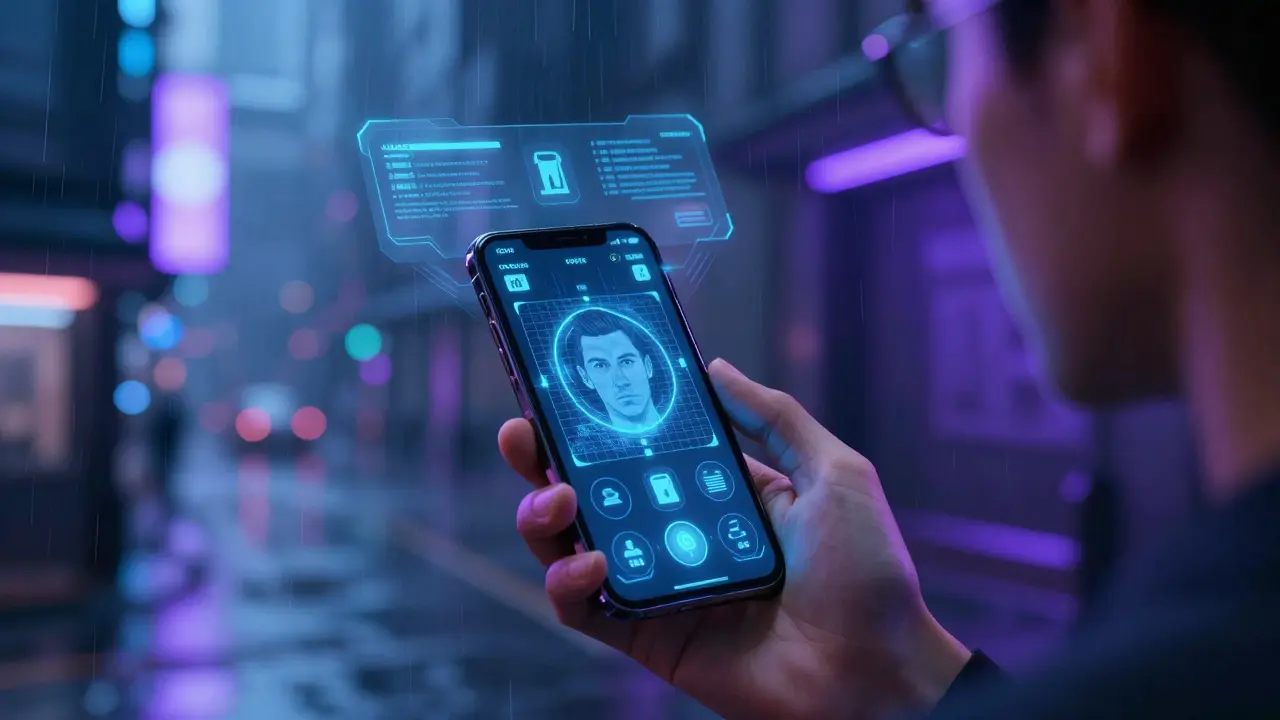
Imagine casting your vote from a smartphone while on vacation, knowing that the result is recorded instantly, cannot be altered, and can be verified by anyone without revealing who you voted for. That is the promise of blockchain voting, a decentralized system that uses distributed ledger technology to record votes as immutable transactions. It sounds like the ultimate solution to election fraud, long lines, and voter suppression. But does it actually work in the real world?
As of 2026, the answer is complicated. While blockchain voting has moved beyond theoretical whitepapers into actual deployments, its adoption remains limited and highly controversial. We see successful pilots in corporate governance and overseas military voting, but major national elections have largely stayed away from the technology due to severe security concerns raised by cybersecurity experts.
This article cuts through the hype to look at what is actually happening on the ground. We will examine the platforms that are live, the specific use cases where they succeed or fail, and the critical security debates that determine whether this technology can ever become a staple of democratic processes.
How Blockchain Voting Actually Works
To understand why these systems are both praised and criticized, you need to know what happens behind the scenes. Traditional electronic voting often relies on a central server. If that server is hacked, votes can be changed silently. Blockchain voting removes that single point of failure.
In a typical implementation, the process follows a strict sequence:
- Voter Authentication: The voter logs in using strong identity verification. This might involve biometric scans (like facial recognition), two-factor authentication (2FA), or government-issued digital IDs.
- Vote Encryption: Once authenticated, the voter selects their choice. This choice is encrypted immediately. The encryption ensures that even if someone sees the data on the network, they cannot link the vote back to the individual voter.
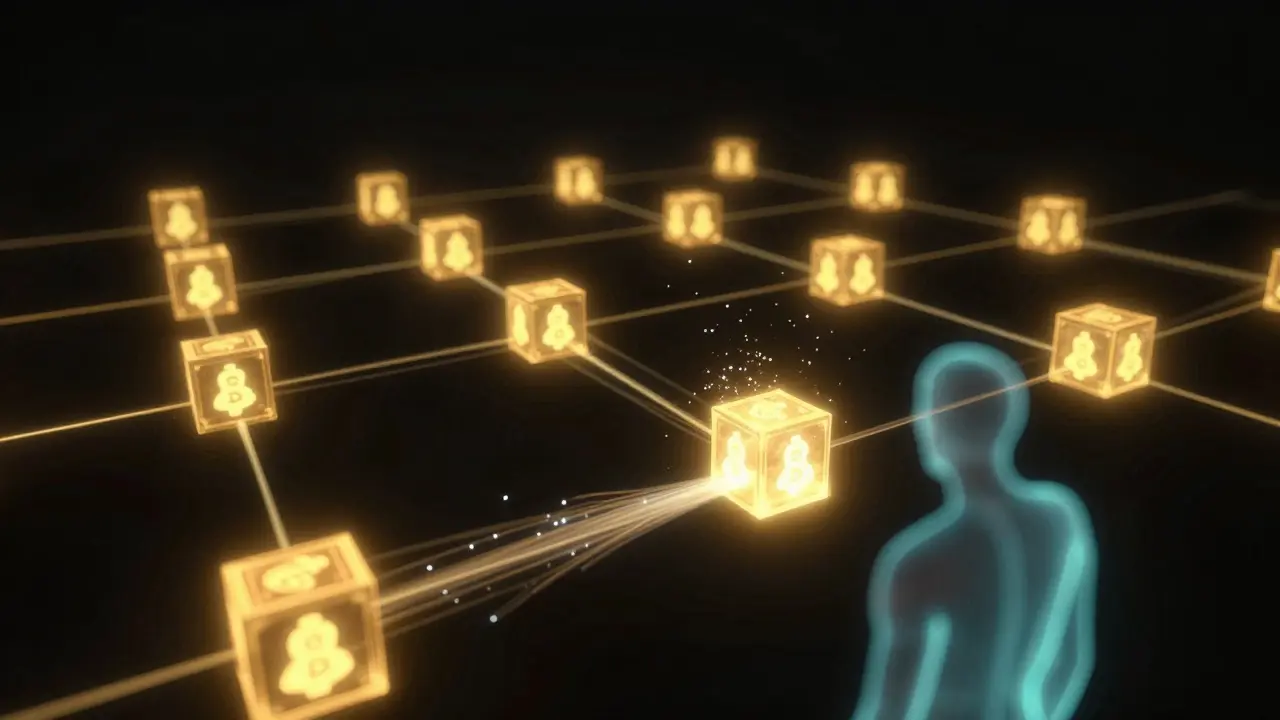
- Blockchain Recording: The encrypted vote is broadcast to the blockchain network. Nodes across the network validate the transaction based on pre-set rules (smart contracts).
- Immutable Storage: Once validated, the vote is added to a block. Because each block references the previous one, altering a past vote would require rewriting the entire chain on more than 51% of the network’s nodes simultaneously-a feat considered computationally impossible for large networks.
- Verification: Voters receive a unique receipt or token. They can use this to check later that their vote was counted correctly without revealing how they voted.
The key benefit here is transparency. In traditional systems, you trust the machine. In blockchain systems, you can verify the math. However, this technical elegance introduces new vulnerabilities, particularly regarding the devices voters use to cast their ballots.
Leading Platforms and Real-World Deployments
Several companies have built platforms specifically for this purpose. As of 2026, three names dominate the conversation: Voatz, Polyas, and Follow My Vote. Each targets different markets and faces different challenges.
| Platform | Primary Focus | Key Technology | Major Use Cases |
|---|---|---|---|
| Voatz | Mobile Accessibility | Biometrics + Ethereum-based ledger | Overseas military voting, local US referendums |
| Polyas | Corporate & Academic Governance | End-to-end encryption, German compliance | University student councils, company shareholder meetings |
| Follow My Vote | Open Source Transparency | Publicly auditable code, zero-knowledge proofs | Pilot programs, non-profit organizations |
Voatz: The Pioneer with Controversy
Voatz is arguably the most well-known name in this space. Founded in 2014, it gained attention for deploying mobile voting apps for overseas military personnel in the United States. For soldiers stationed abroad, waiting weeks for an absentee ballot to arrive and return is a logistical nightmare. Voatz promised to solve this by allowing them to vote via smartphone.
The platform uses biometric verification to ensure the person holding the phone is the registered voter. It then records the vote on a private blockchain. While convenient, Voatz has faced significant scrutiny. In 2019, the U.S. Department of Defense suspended its contract with Voatz after security researchers found vulnerabilities that could potentially allow hackers to alter votes or compromise voter privacy. Despite these setbacks, Voatz continues to operate in smaller jurisdictions and local referendums where the stakes are lower than federal elections.
Polyas: The Corporate Standard
If Voatz aims for the masses, Polyas focuses on institutions. Based in Germany, Polyas operates under some of the strictest electoral laws in the world. Their clients include universities, trade unions, and corporations.
Polyas’ strength lies in compliance. They don’t just offer a blockchain; they offer a legal framework. Their systems are designed to meet the requirements of the German Federal Data Protection Act (GDPR) and specific electoral codes. This makes them a safer bet for organizations that need audit trails and legal defensibility rather than just technological novelty. Many European universities have successfully used Polyas for student council elections, reporting higher turnout and fewer disputes compared to paper ballots.
Follow My Vote: Open Source Integrity
Follow My Vote takes a different approach. Instead of being a closed commercial product, it is an open-source platform. This means any security expert can inspect the code for backdoors or flaws. The philosophy here is that security comes from transparency, not secrecy.
This platform emphasizes end-to-end verifiability. Voters can independently confirm that their vote was included in the final tally. While less polished than Voatz or Polyas, Follow My Vote appeals to non-profits and activist groups who prioritize trust over user experience. Its deployments are smaller in scale but serve as important proof-of-concept experiments for public sector adoption.
The Security Debate: Why Experts Are Divided
This is the most critical section. You will hear proponents say blockchain is unhackable. Critics say it’s a disaster waiting to happen. Who is right?
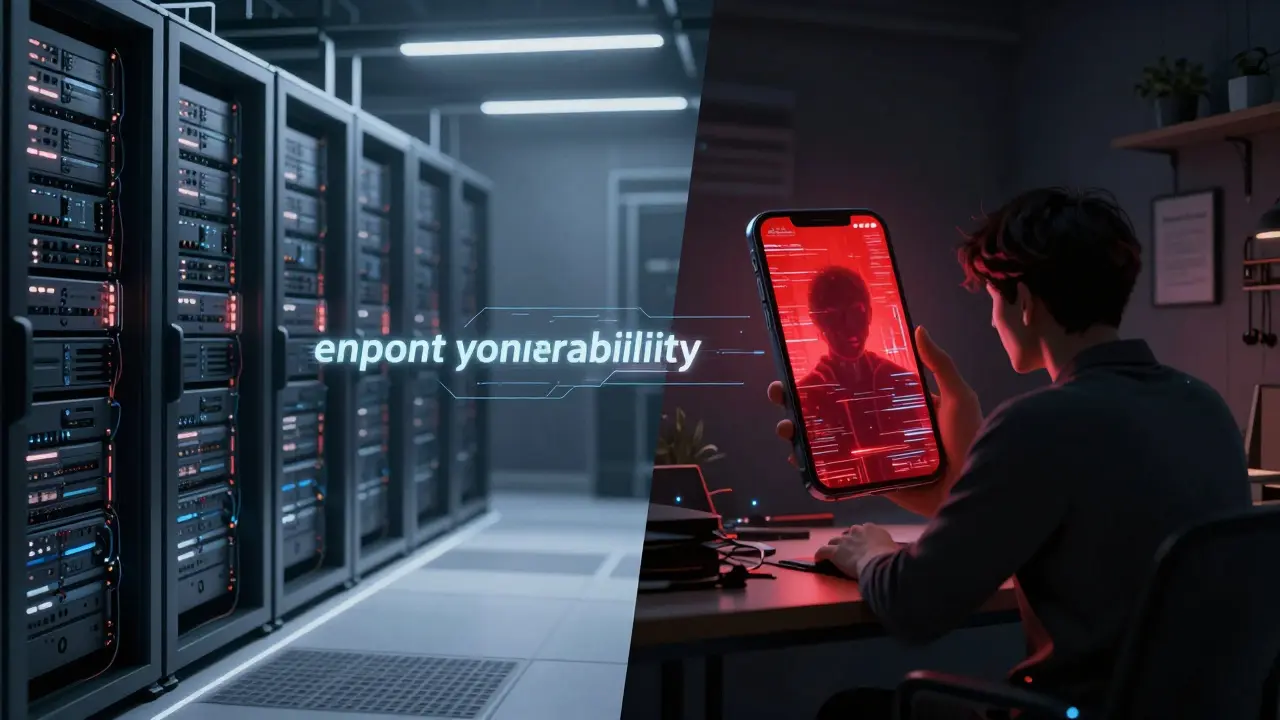
The truth is, blockchain itself is secure. The problem is everything around it. This is known as the "endpoint vulnerability" problem.
The Argument Against: Silent Manipulation
Cybersecurity experts, including those from the US Vote Foundation, argue that internet-based voting, regardless of the backend technology, poses an unacceptable risk to democracy. Their core argument is simple: you cannot guarantee the integrity of a voter’s device.
If malware infects a voter’s smartphone before they cast their vote, it could change their selection on the screen without them noticing. The blockchain would then faithfully record the *wrong* vote as an immutable transaction. Because the vote is encrypted and anonymous, there is no way to trace which vote was tampered with or to correct it. This creates a scenario of "silent disenfranchisement."
Furthermore, critics point out that remote voting enables coercion. If you must vote in person, you can go to a private booth. If you vote from home, someone could stand behind you and force you to vote a certain way. There is no private booth in your living room.
The Argument For: Enhanced Auditability
Proponents, including developers from firms like Rapid Innovation, counter that traditional paper ballots are also vulnerable. Paper ballots can be lost, destroyed, or miscounted during manual tabulation. Blockchain eliminates human error in counting.
They argue that with proper multi-factor authentication and device integrity checks (scanning the phone for malware before allowing the app to run), the risks can be mitigated. Additionally, blockchain allows for real-time auditing. In traditional elections, you wait days for results and hope they are accurate. With blockchain, independent observers can monitor the transaction flow in real-time, detecting anomalies immediately.
Current Limitations and Future Outlook
As we move through 2026, blockchain voting is not replacing paper ballots in major national elections. Instead, it is finding niche applications where the benefits outweigh the risks.
- Low-Stakes Elections: Student governments, club memberships, and corporate shareholder votes. Here, the consequence of a hack is low, but the convenience gain is high.
- Hard-to-Reach Voters: Overseas military personnel and citizens living abroad. These voters currently face immense barriers to participation. Blockchain offers a viable alternative to postal ballots, provided robust security measures are in place.
- Referendums and Polls: Local community decisions where speed and transparency are valued over absolute secrecy.
The future likely holds a hybrid model. Rather than full internet voting, we may see blockchain used for the backend tallying of physical electronic voting machines. This preserves the security of in-person voting while gaining the auditability of blockchain.
Regulatory frameworks are also evolving. Governments are beginning to draft standards for digital voting infrastructure. Until these standards are universally accepted and tested against state-level cyber threats, widespread adoption will remain cautious.
Is blockchain voting completely secure?
No technology is 100% secure. While the blockchain ledger itself is extremely resistant to tampering, the endpoints (voters' devices) and the authentication processes remain vulnerable to malware, phishing, and coercion. Security depends heavily on the surrounding infrastructure, not just the blockchain.
Which countries are using blockchain voting?
As of 2026, no major nation uses blockchain for all general elections. However, pilot programs have occurred in the United States (for military voting), Switzerland (for local referendums), and Estonia (for e-resident services). Most usage is currently limited to corporate, academic, or small-scale municipal elections in Europe and North America.
Can I verify my vote on a blockchain system?
Yes, most modern platforms provide a verification receipt. This allows you to confirm that your vote was received and counted correctly without revealing your specific choice. This feature is called end-to-end verifiability and is a key advantage over traditional electronic voting.
Why do cybersecurity experts oppose internet voting?
Experts worry about undetectable manipulation. If a hacker compromises a voter's device, they can change the vote before it hits the blockchain. Since the blockchain only records what it receives, it will permanently store the altered vote. Unlike paper ballots, there is no physical evidence to prove the voter's original intent.
What is the difference between Voatz and Polyas?
Voatz focuses on mass accessibility and mobile usability, primarily targeting individual voters in the US. Polyas focuses on institutional compliance and legal rigor, serving corporations and universities in Europe. Polyas is generally considered more compliant with strict data privacy laws like GDPR.
Antony Lopez
July 12, 2026 AT 07:09Look, I don't care about your fancy crypto buzzwords. The American voting system is the envy of the world because it works on paper and in person. You want to outsource our democracy to some server farm in Estonia or China? Absolutely not. We keep it local, we keep it physical, and we keep it secure from foreign interference. This blockchain stuff is just a backdoor for hackers who hate freedom.
Kat Barr
July 13, 2026 AT 18:35I think there's so much potential here!! 🌟 Imagine if every student council election was this easy? No more waiting in line for hours just to vote for pizza toppings 😂 It seems really promising for smaller groups where trust is already high! Maybe we can start small and grow from there? 💖
Logan Edmison
July 14, 2026 AT 14:13its all about the illusion of control man. you think the chain is immutable but what about the human element? the soul of the voter is corrupted before they even touch the screen. technology cant fix the rot inside us. we are just digital ghosts haunting a machine that doesnt care about our choices anyway lol.
Michelle Walker
July 15, 2026 AT 03:18You are missing the point entirely. The endpoint vulnerability is fatal. Period. If malware changes your vote on the screen, the blockchain records the lie as truth. There is no audit trail for intent. Paper ballots have a physical record. This has nothing. It is insecure by design. Stop pretending otherwise.
Shay Thomson
July 16, 2026 AT 09:53Oh my goodness, why is everyone so angry?! 😱 Let's try to find some middle ground here. Maybe we can use it for low-stakes things like club votes while keeping paper for presidents? We need to embrace change but also respect tradition. Can't we just coexist with both systems peacefully? 🕊️✨
DJ Maleko
July 17, 2026 AT 04:13So let me get this straight... you're telling me that the same people who couldn't figure out how to update Windows are now expected to verify cryptographic hashes? 🤔 And you expect them to do it without getting coerced by their boss or spouse standing right behind them? The coercion vector alone kills this idea dead. Who is actually buying into this fantasy? 🙄
Erika Pozzetto
July 18, 2026 AT 17:23It is indeed a fascinating technological development that warrants careful consideration within the broader context of democratic evolution; however, one must acknowledge that the implementation challenges are substantial and require rigorous adherence to established regulatory frameworks before any widespread adoption can be deemed appropriate or safe for public consumption.
Russ Fincham
July 19, 2026 AT 04:05The article mentions Voatz got suspended by the DoD. That should tell you everything you need to know. When the military says 'no,' you listen. They deal with national security daily. They know that convenience is the enemy of security. If it's too risky for soldiers, it's too risky for civilians.
Linda Hilliard
July 19, 2026 AT 11:46Clearly, the layperson cannot grasp the nuance of zero-knowledge proofs versus simple encryption. (¬_¬) Most of these critics are Luddites afraid of progress. The real issue is not the blockchain, but the incompetence of the legacy infrastructure we currently tolerate. We deserve better than broken ballot boxes.
Winston Lacewing
July 19, 2026 AT 21:57This is morally bankrupt! 😡 How can you stand there and defend a system that allows coercion in the home? It's evil! Pure evil! We are sacrificing the sanctity of the secret ballot for the sake of laziness. My heart breaks for our democracy. 📉💔
Kristine Lawson
July 20, 2026 AT 02:49Contrary to popular belief, the problem isn't the technology itself, but the lack of regulatory oversight. We need strict standards, not outright bans. However, until those standards are proven against state-level actors, skepticism is warranted. Over-punctuating my disdain for the current chaos!!!
Tawny Holmes
July 22, 2026 AT 00:25Paper is safer. Done.
Jessie Smith
July 23, 2026 AT 02:46the whole premise is flawed. you treat the vote as data but its an act of will. you cant digitize will. its like trying to put a soul in a jar. the blockchain just proves the jar is sealed tight. it doesnt prove what's inside. typical technocratic hubris. misspelled my own thoughts because the language fails me.